

Close Menu
TheWireHubTheWireHub

    Subscribe to Updates

    Get the latest creative news from FooBar about art, design and business.

    What's Hot

    ABB Robotics and PSYONIC Use Human-Generated Data to Advance Robotic Dexterity – Las Vegas Sun News

    June 17, 2026

    Kakao Bank eyes bigger role in Mongolia’s digital banking push

    June 16, 2026

    Fintech Stock Block Is Trying to Prove That the Ultimate Cryptocurrency Has a Real Use Case, But Will It Work?

    June 16, 2026
    Facebook X (Twitter) Instagram
    Trending
    • ABB Robotics and PSYONIC Use Human-Generated Data to Advance Robotic Dexterity – Las Vegas Sun News
    • Kakao Bank eyes bigger role in Mongolia’s digital banking push
    • Fintech Stock Block Is Trying to Prove That the Ultimate Cryptocurrency Has a Real Use Case, But Will It Work?
    • New Nielsen wearable technology will increase NFL ratings, starting as soon as the 2026 season
    • Quantity, Quality and Quantum: Realizing Returns from AI Investments
    • Why Rianka Dorsainvil joined end-of-life planning tech firm
    • The Best Photo Editing Software We’ve Tested for Macs in 2026
    • Microsoft Executive Calls Gen Z’s AI Backlash a Tech Industry “Wake-Up Call”
    TheWireHubTheWireHub
    Facebook X (Twitter) Instagram
    • Home
    • Tech News
    • Personal Finance
    • Investments
    • Software & Apps
    • Cryptocurrency & Blockchain
    • More
      • AI & Future Tech
      • Gadgets & Devices
      • Banking & Insurance
    TheWireHubTheWireHub
    Home»Gadgets & Devices»Your smartphone might be built to break
    Gadgets & Devices

    Your smartphone might be built to break

    TheWireHub.netBy TheWireHub.netApril 9, 2026No Comments8 Views
    Facebook Twitter Pinterest LinkedIn WhatsApp Reddit Tumblr Email
    Your smartphone might be built to break
    Share
    Facebook Twitter LinkedIn Pinterest Email
    Thank you for the notice, bro. I’ll fix it as soon as possible and get back to you shortly.

    • A new “Failing the Fix” scorecard gives Apple and Samsung near-failing grades for repairability.

    • Devices are often difficult to open, fix, or get parts for — driving higher costs for consumers.

    • Experts say stronger “right to repair” laws could push companies to make longer-lasting tech.


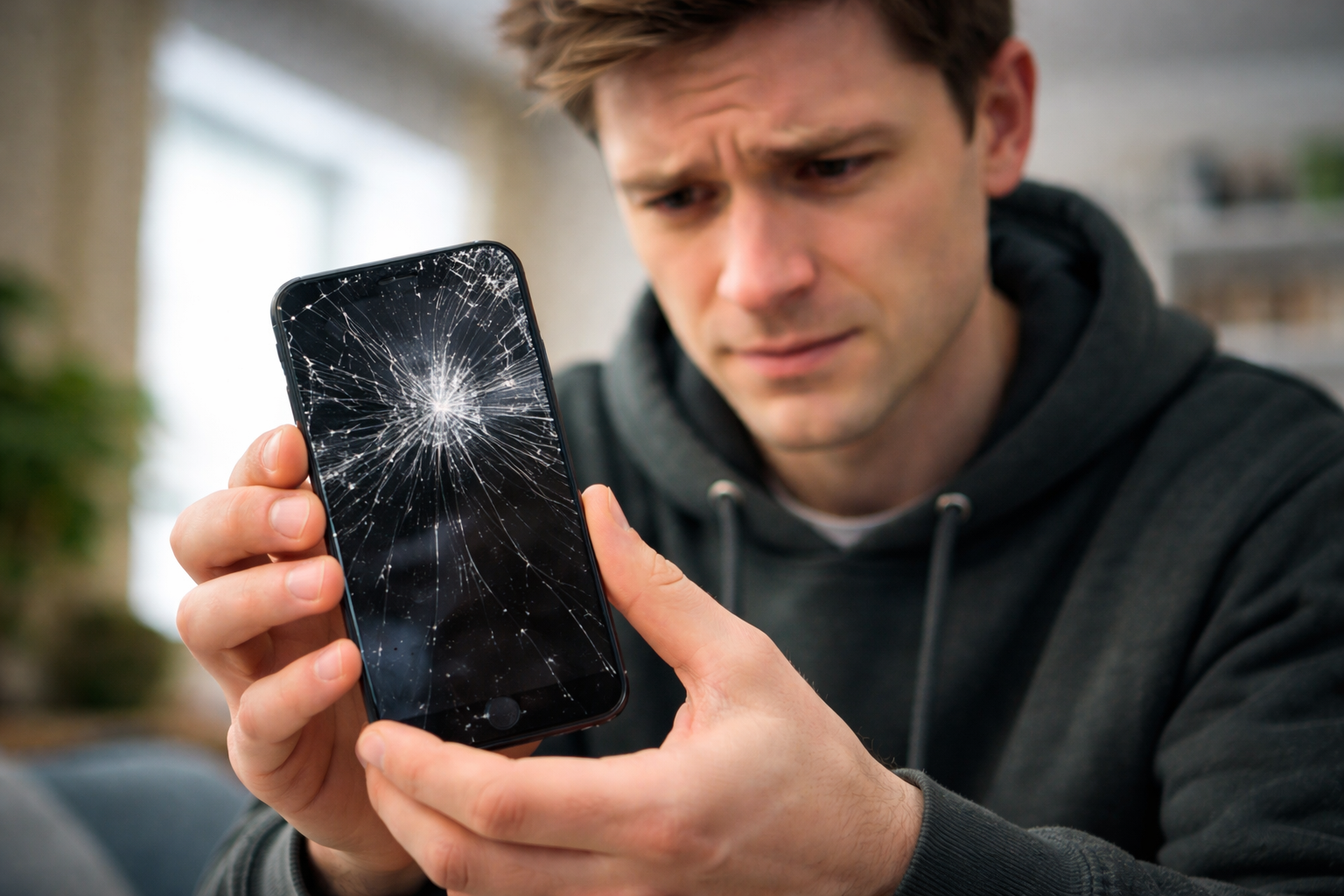
    If you’ve ever cracked your phone screen and debated whether to fix it or just replace the whole thing, a new report suggests that dilemma isn’t accidental.

    A 2026 scorecard from the U.S. Public Interest Research Group (PIRG) finds that some of the biggest names in tech — including Apple and Samsung — are still making devices that are tough to repair. The report, called “Failing the Fix,” evaluates how easy it is to fix popular smartphones and laptops, and this year’s results aren’t exactly reassuring.

    “Consumers should be able to choose electronics they know are fixable,” said Lucas Gutterman, Designed to Last campaign advisor for U.S. PIRG Education Fund and author of the new scorecard. “Manufacturers should make more repairable products and American consumers deserve clear information about the products they want to buy. It’s long past time we get off the treadmill of disposability.” 

    Big brands, low grades

    According to the latest findings, Samsung earned a D grade, while Apple landed even lower with a D-, placing both companies near the bottom of the rankings.

    The scorecard pulls from repairability data — including a system used in Europe that rates devices based on factors like how easy they are to disassemble, whether spare parts are available, and how accessible repair manuals are. 

    In simple terms, many devices are still designed in ways that make repairs difficult. That can include glued-in batteries, proprietary screws, limited access to parts, or software restrictions that prevent third-party fixes. These barriers can push consumers toward replacing devices instead of repairing them — even for relatively minor issues.

    Not all companies scored poorly. Motorola topped the list with a B+ rating, while Google landed closer to the middle with a C-. But overall, the report suggests the industry still has a long way to go.

    What it means for consumers

    For everyday users, low repairability can translate into higher costs and fewer options. When devices are hard to fix, repairs can be expensive — or not worth it at all — leading people to buy new products sooner than expected.

    That cycle doesn’t just affect your wallet. It also contributes to the growing problem of electronic waste, as more devices get tossed instead of repaired.

    In the meantime, consumers can take a few steps when shopping for new tech:

    • Look for brands that offer repair programs or sell replacement parts.

    • Check repairability scores (where available) before buying.

    • Consider durability and long-term use — not just features.

    Bottom line: that sleek new phone might look great out of the box, but if it breaks, fixing it could be another story entirely.

    break built smartphone
    Share. Facebook Twitter Pinterest LinkedIn Tumblr Telegram Email
    TheWireHub.net
    • Website

    Related Posts

    New Nielsen wearable technology will increase NFL ratings, starting as soon as the 2026 season

    June 16, 2026

    Amazon’s 2-in-1 laptop and tablet that can boost productivity is on sale for $110 ahead of Prime Day

    June 15, 2026

    5 Outdated Gadgets Homeowners Might Need To Upgrade

    June 14, 2026
    Leave A Reply Cancel Reply

    Top Posts

    What the Tech? App of the year: Focus Friend | What The Tech?

    February 1, 2026101

    Bitcoin Options Show Traders Hunkering Down for Crypto Winter

    December 6, 202525

    Bitcoin under pressure as oil spikes 6%. What’s next?

    March 2, 202622

    Should you update to the new Pages, Numbers, Keynote, and Freeform on Mac?

    January 30, 202622
    Don't Miss
    AI & Future Tech

    ABB Robotics and PSYONIC Use Human-Generated Data to Advance Robotic Dexterity – Las Vegas Sun News

    By TheWireHub.netJune 17, 20260

    Published Monday, June 15, 2026 | 9:01 p.m.Updated Monday, June 15, 2026 | 9:02 p.m.…

    Kakao Bank eyes bigger role in Mongolia’s digital banking push

    June 16, 2026

    Fintech Stock Block Is Trying to Prove That the Ultimate Cryptocurrency Has a Real Use Case, But Will It Work?

    June 16, 2026

    New Nielsen wearable technology will increase NFL ratings, starting as soon as the 2026 season

    June 16, 2026
    Stay In Touch
    • Facebook
    • Twitter
    • Pinterest
    • Instagram
    • YouTube
    • Vimeo

    Subscribe to Updates

    Get the latest creative news from SmartMag about art & design.

    About Us

    Welcome to TheWireHub, your trusted source for the latest insights, trends, and updates in finance and technology. We created TheWireHub with one mission: to make complex financial topics and fast-moving technology news simple, clear, and accessible for everyone.

    Facebook X (Twitter) Instagram
    Our Picks

    ABB Robotics and PSYONIC Use Human-Generated Data to Advance Robotic Dexterity – Las Vegas Sun News

    June 17, 2026

    Kakao Bank eyes bigger role in Mongolia’s digital banking push

    June 16, 2026

    Fintech Stock Block Is Trying to Prove That the Ultimate Cryptocurrency Has a Real Use Case, But Will It Work?

    June 16, 2026
    Categories
    • AI & Future Tech
    • Banking & Insurance
    • Cryptocurrency & Blockchain
    • Gadgets & Devices
    • Investments
    • Personal Finance
    • Software & Apps
    • Tech News
    © 2025 TheWireHub. All Rights Reserved.
    • Terms & Conditions
    • Privacy Policy
    • Contact Us
    • About Us

    Type above and press Enter to search. Press Esc to cancel.