


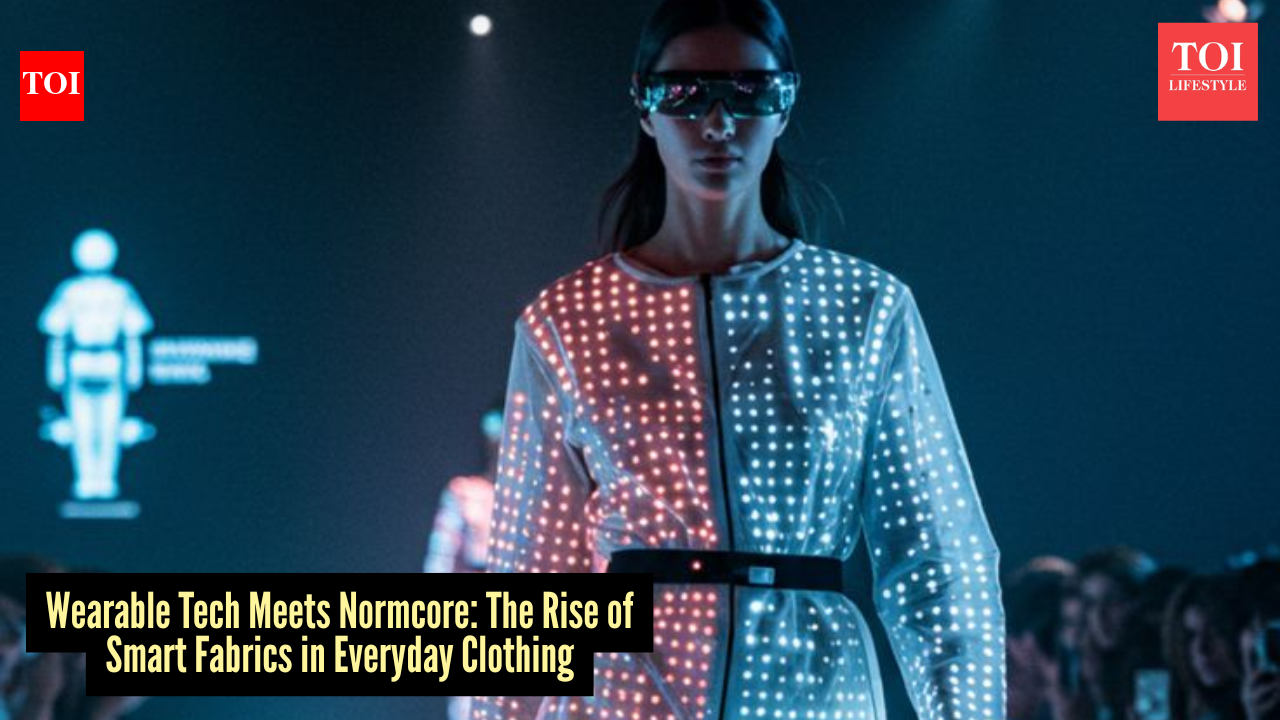
There was a time, not too long ago, when “wearable tech” meant clunky plastic bands that screamed for attention and rarely matched your shoes. Those days are officially over. We are currently moving into the era of Wearables 2.0. This is the world of “normcore” tech, where the gadgetry isn’t an accessory you strap on, but the very thread of your favorite jeans. The goal for 2026 is simple. Your clothes should work harder than you do, but they should look exactly like the basics you already love.Denim That Corrects Your Slouch Denim has always been the backbone of the Indian wardrobe, but it is now becoming the frontier for fabric innovation. We have moved far beyond the gimmick of touch-sensitive sleeves. Today, the focus is on utility that actually improves your life. Imagine a pair of slim-fit jeans that knows when you are hunching over your laptop. New posture-correcting denim uses sensors hidden inside the waistband to send a tiny, gentle vibration to your lower back.
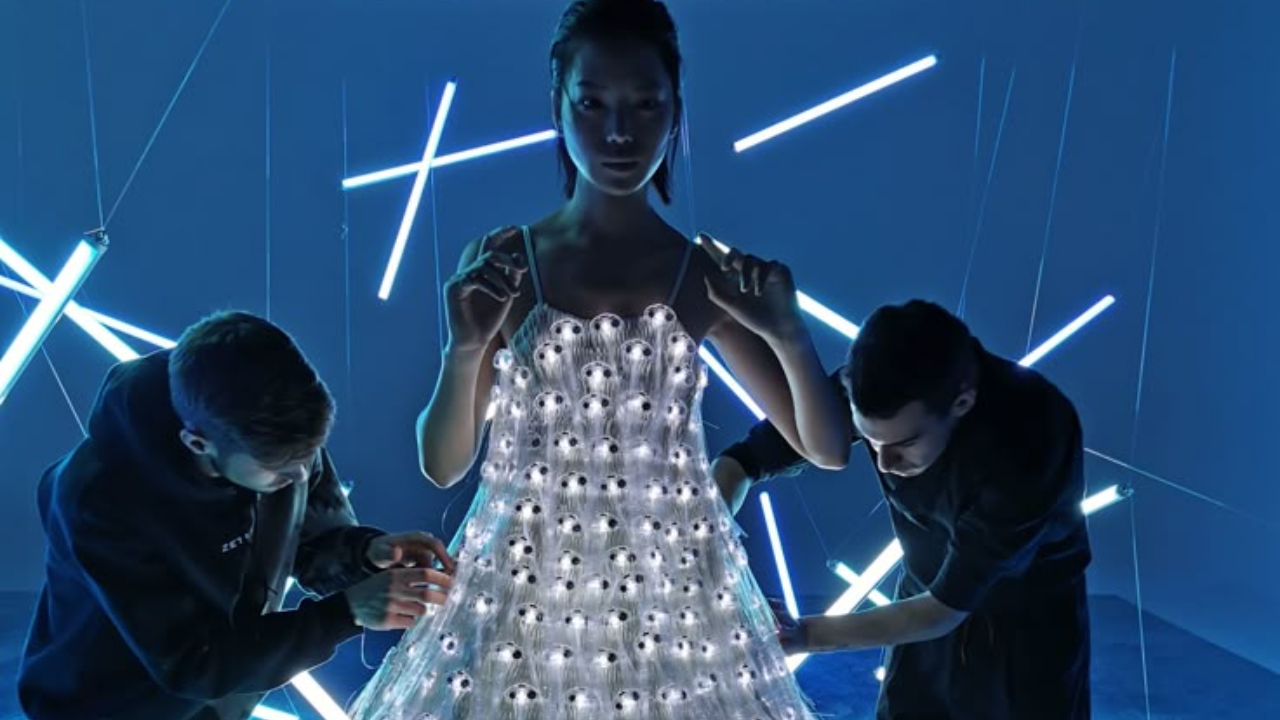
(Image Credits: Pinterest)
It is a silent nudge to sit up straight, and it happens without a single buzzing notification on your phone. The tech also changes how we navigate the city. Conductive yarns, which are essentially silver-plated threads, are being woven into pockets and thighs. This turns your pants into a remote control. You can dismiss an annoying call or skip to the next track on your commute just by tapping your leg. It is the ultimate “hands-free” experience for a crowded Delhi Metro ride.The Science of Better Sleep The phrase “beauty sleep” is getting a serious scientific upgrade. While a smartwatch can tell you how poorly you slept, the next generation of loungewear actually helps you recover. Some brands are now printing bioceramic minerals directly onto the inside of pajamas. These minerals take your body’s own heat and reflect it back into your skin as far-infrared energy. This process boosts blood flow and helps muscles repair themselves after a workout or a long day on your feet. This “intelligent basic” trend is hitting the pavement too. Forget the chest straps or heavy trackers for your morning run. We are seeing socks infused with textile pressure sensors that analyze exactly how your foot hits the ground. By tracking your gait in real-time, these smart socks can predict injuries before they happen. It feels less like a medical device and more like a high-performance second skin.The Indian Market: What Can You Actually Buy? While the most futuristic prototypes are still making their way from labs to malls, India is already seeing the first wave of this revolution. Homegrown labels like Turms have found success with “intelligent” shirts that repel stains and odors, reducing the need for constant washing. For those looking for more connectivity, the Levi’s x Google Jacquard jacket has seen traction on platforms like Myntra, letting users control their music with a swipe of a denim cuff. Global giants like Under Armour are also pushing their mineral-infused recovery gear in major Indian metros. As our digital infrastructure grows, expect to see more domestic startups launching “climate-smart” clothing, such as self-cooling kurtas designed specifically for the intense humidity of Mumbai or Chennai.
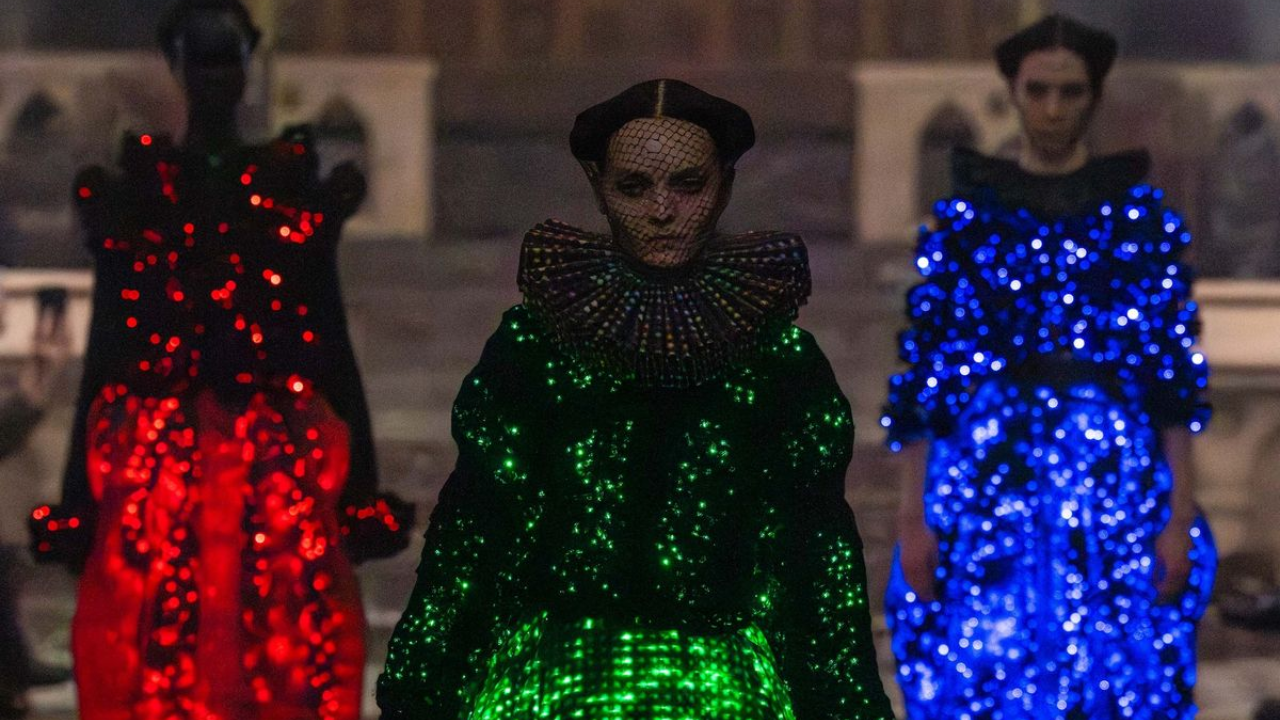
(Image Credits: Pinterest)
A Sustainable Future This shift isn’t just about looking cool. It is about making clothes last longer. One of the most promising areas of research involves self-healing fabrics. These are materials that can actually “knit” themselves back together after a small tear if they are exposed to a bit of heat. In a world struggling with the waste of fast fashion, a shirt that fixes itself is the ultimate luxury. The End of the Screen The big dream for smart fabrics is a “Zero-UI” world. By the end of the decade, tech experts believe we will stop looking at screens to manage our digital lives. A simple shrug or a tap on your collar will be the new way to send a text or check the weather. We are heading toward a future where our clothes don’t just cover us. They protect us, connect us, and understand our bodies. And you can still toss them in the laundry at the end of the week.
