


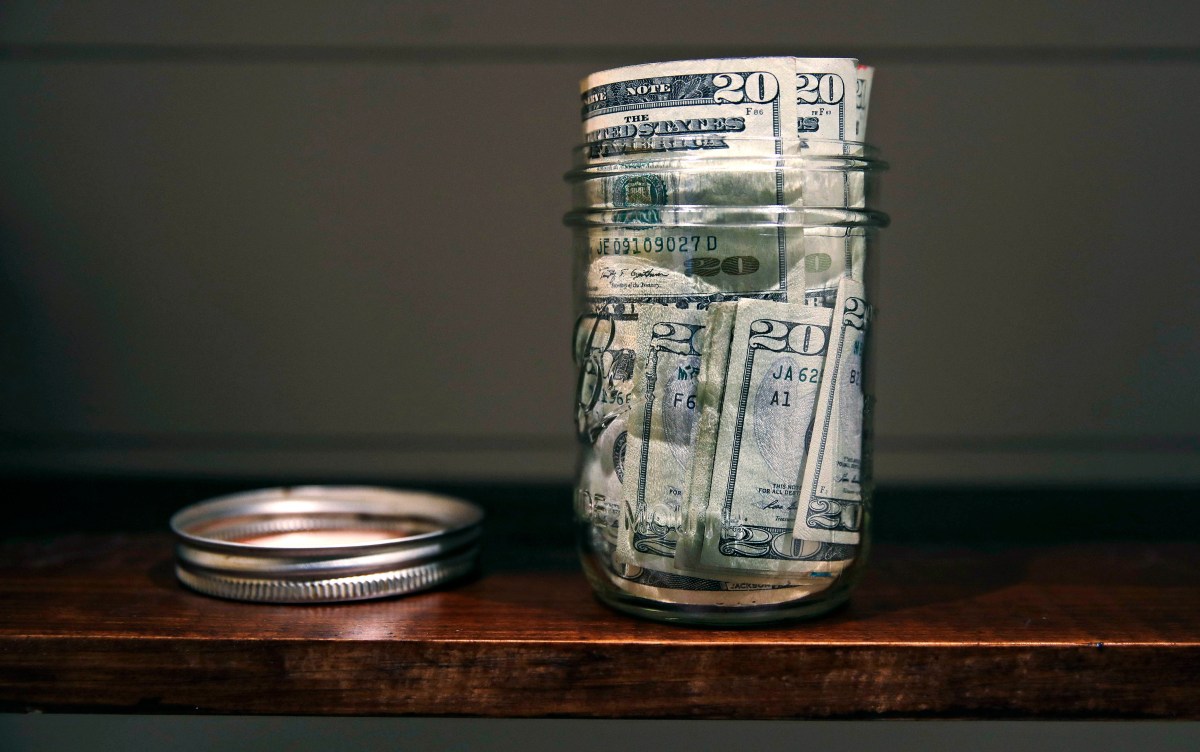
Nearly half of all Americans don’t have sufficient money to cover a major unexpected expense, according to a recent poll, and many say rising prices are impacting their ability to save.
In its latest Emergency Savings Report, the personal finance data website Bankrate revealed that 47 percent of Americans don’t have sufficient savings or income to afford a $1,000 emergency expense. Additionally, 68 percent said that, should they lose their primary source of income, they would be worried about how to cover basic living expenses over the next month.
“Lack of liquidity, or access to cash, is a major constraint for many individuals and households,” Mark Hamrick, Bankrate’s senior economic analyst, told Newsweek. “With insufficient emergency savings, they’re just one event away from further degradation of their personal financial situation.”
Why It Matters
High costs for essential expenses like groceries, housing and health care have pushed more Americans into significant financial difficulty. Amid these pressures, several surveys have charted growing concerns among increasingly cash-strapped consumers, as well as a broad deterioration in Americans’ personal financial optimism.
What To Know
Bankrate’s study was conducted by YouGov, which gathered responses from 2,564 U.S. adults between December 2 and December 8.
The poll found that 30 percent of Americans would pay an emergency expense of $1,000 or more using their savings, with 17 percent relying on their income to do so. However, a third said they would be forced to go into debt of some kind, either borrowing from family or friends, relying on a credit card or taking out a personal loan.
If faced with a sudden loss of household income, 43 percent of respondents said they would be “very worried” and 25 percent “somewhat worried” about their ability to cover immediate living expenses over the next month, compared with the 17 percent and 12 percent, respectively, who said they would be “not too worried” or “not at all worried.”
These figures are broadly in line with those from Bankrate’s 2025 Emergency Savings Report, in which 69 percent said they would be either very or somewhat worried about affording basic expenses in the event of a loss of income.
When it comes to saving, only 4 percent said they had “much more” compared to the beginning of 2025, with 14 percent saying they had “somewhat more” and 31 percent holding around the same amount. Meanwhile, 14 percent said they had slightly less in savings than last year, with 19 percent admitting to having “much less” and 18 percent having no savings at either point.
A majority (54 percent) said that inflation and rising prices are hurting their ability to build up a stronger safety net. Respondents also cited changes in their income or employment status (26 percent) and recent interest rate cuts (17 percent).
“The reasons are varied. Some don’t make a priority to save, or haven’t the financial know-how regarding the best ways to get it done,” Hamrick told Newsweek. “In some cases, folks have been dealt a setback by the affordability challenges of recent years, stemming from elevated inflation and costs.”
The results build on those in a late-2025 study by the Bank of American Institute, which found that nearly a quarter of households (24 percent) are living paycheck-to-paycheck—defined as those whose “necessity spending” exceeds 95 percent of their income—marking a slight increase from 2024’s level.
What People Are Saying
Mark Hamrick, Bankrate’s senior economic analyst, wrote in the report: “Most folks in America live paycheck-to-paycheck. This either results in, or coincides with, a lack of liquidity and lack of ability to achieve success with other key financial goals such as paying down debt or saving for emergencies and retirement.”
What Happens Next
According to an earlier report from Bankrate, Americans are considerably less optimistic about their finances in the year ahead. Some 32 percent said they expect their finances to worsen in 2026, compared with 23 percent who thought the same at the outset of 2025.
