


 "EU relaxes battery rules for wearable tech, removing a key hurdle for Meta’s smart glasses – Firstpost")
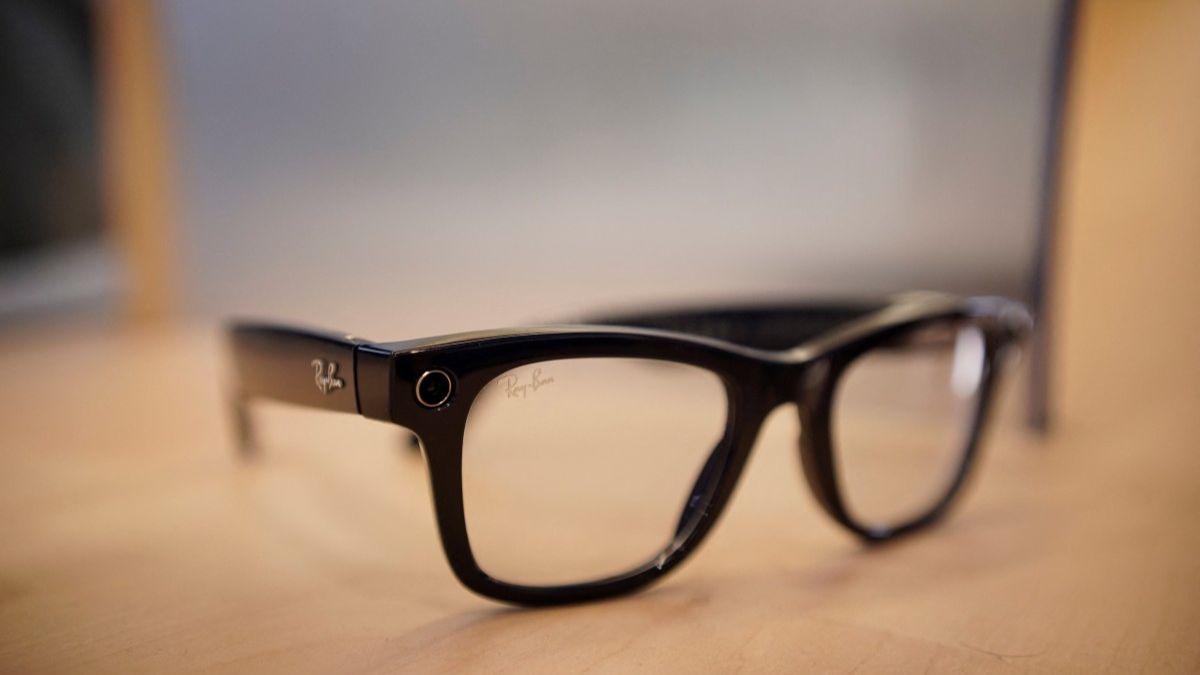
Wearable technology has been exempted from the European Union’s removable battery requirements after the European Commission introduced a legislative change, following pressure from the United States, according to reports. The move removes a key regulatory hurdle for Meta’s smart glasses and other connected wearables in the European market, although the devices continue to face scrutiny over privacy and surveillance concerns.
Reports suggest the battery regulations had delayed the rollout of Meta’s latest smart glasses in recent months because their built-in batteries cannot be easily removed or replaced. On Tuesday, the European Commission introduced a Delegated Act exempting connected devices—including smartwatches, smart glasses, fitness trackers, and certain electric toys—from the battery removability rules.
The European Parliament and EU member states now have two months to object to the proposal. If no objections are raised, the Delegated Act will be published in the Official Journal of the European Union and will enter into force 20 days later.
The exemption is expected to benefit not only Meta but also Samsung, Google, and Apple, all of which are reportedly developing or expanding their smart glasses offerings.
Slow Rollout in Europe
Although Meta’s smart glasses have already launched in parts of Europe, the company’s financial results indicate that distribution and rollout across the EMEA (Europe, Middle East and Africa) region have remained gradual. The devices also continue to face criticism from privacy advocates.
“Europe should not dilute consumer protections. Smart glasses are already raising important concerns about privacy, security and consumer choice. Exemptions from EU battery removability rules should remain exactly that: genuine exceptions based on clear technical and safety evidence, not industry pressure,” said Cláudio Teixeira, Head of Digital Policy at BEUC, Europe’s largest consumer organisation.
The concerns persist despite Meta introducing several privacy safeguards. The smart glasses feature an LED indicator that lights up whenever a photo or video is being recorded, helping alert people nearby. They also include tamper-detection technology designed to prevent users from covering the indicator light. In addition, captured media remains stored locally on the device unless users choose to share it with Meta’s services.
