


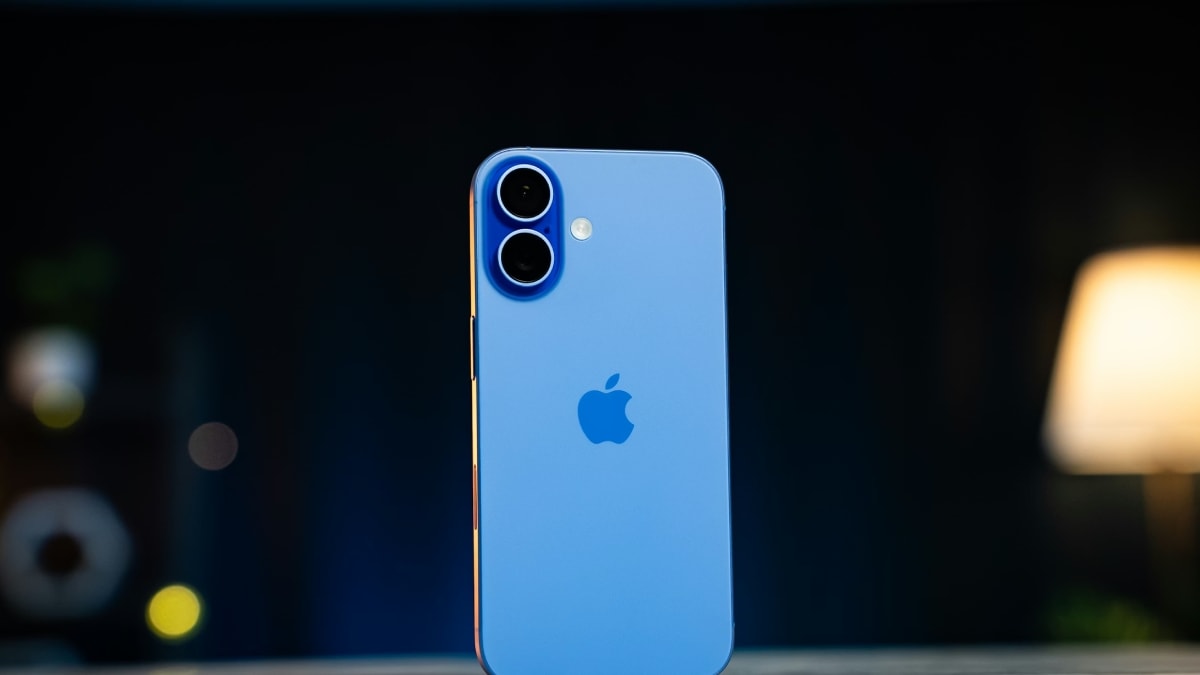
India’s refurbished smartphone segment is seeing fresh momentum as rising new-phone prices are nudging more buyers toward certified pre-owned devices. According to estimates from Counterpoint Research and industry executives, the secondary smartphone market is expected to have grown by around 7–8 percent in 2025, with further growth likely in 2026.
iPhones emerge as the core growth driver
Across the broader market, one pattern continues to stand out—demand for iPhones remains strong. Industry estimates suggest that Apple has grown its share of the Indian smartphone market from roughly 2 percent in 2019 to about 9 percent today. A key factor behind this rise is the increasing availability of refurbished iPhones across online platforms, which has helped make the segment more accessible and commercially important.
“From flagship-grade cameras and powerful processors to 5G performance and long-term software support, users can access premium smartphone experiences at nearly 40–60% lower prices than new devices. For many buyers, especially younger consumers and aspirational users, that makes refurbished a financially smarter path to premium technology,” Nakul Kumar, Co-founder & CMO, Cashify told Financial Express.
The boom in the Indian refurbished smartphone market is a direct response to shifting economic realities and evolving consumer behavior. Here are the 5 core reasons driving this rapid growth:
1. Forced Premiumisation and Rising Component Costs
The price of entry-level smartphones (sub-Rs 10,000) has risen significantly. Global supply chain shifts have caused a massive spike in critical component costs, like memory chips and processors. Because of this, smartphone brands have moved away from low-margin budget segments. For a consumer who previously bought a cheap new phone, the only viable way to stay within budget now is to buy a high-quality refurbished device.
“Rising prices of new smartphones are accelerating this shift further. Consumers are becoming more value-conscious and are prioritising overall experience over first-hand ownership,” Kumar said.
2. Trust Building via Organised Marketplaces
Historically, buying a used phone in India meant navigating an unorganised local market with high risks of hidden defects. The explosion of trusted, structured recommerce platforms has entirely transformed consumer trust. These platforms treat refurbished phones like new products, offering like 6 to 12-month warranties, Standardised cosmetic grading and transparent pricing.
“The category’s growth is also being driven by increasing trust in organised players. Greater transparency around diagnostics, grading, warranties, battery quality, and certified data wiping has helped address many of the concerns consumers earlier associated with the refurbished market,” Kumar noted
3. The Aspirational Gap (Premium Brands at Mid-Range Prices)
There is a massive surge in India’s “aspirational” middle class, Millennials, and Gen Z who want premium-tier devices—particularly Apple iPhones and Samsung Galaxy S-series flagships—but face skyrocketing retail prices on brand-new launches. Refurbished channels bridge this gap by offering a fully functional, premium device from a couple of generations back for 40% to 50% less than its original launch price, giving buyers social validation and high performance without the heavy financial debt.
“We are also seeing a clear behavioural shift in upgrade patterns. Instead of buying a lower-spec new device within a fixed budget, users are increasingly opting for premium refurbished flagship devices that deliver significantly better performance and features at the same price point,” he concluded.
4. Shorter Upgrade Cycles vs. Device Longevity
The average smartphone upgrade cycle for urban Indian consumers has shrunk to 18–24 months. Consumers frequently trade in perfectly functioning, high-spec 4G and early 5G phones simply to get the latest aesthetic or minor feature update. Because top-tier smartphones are now engineered to easily last 4 to 5 years in terms of build quality and software support, the secondary market receives an influx of relatively young, highly capable devices that feel completely modern to their second owners.
